
Why getting solar panels Glasgow actually makes sense even when it is raining
Why the Glasgow weather is actually fine for solar energy
It is the first thing everyone says when the topic of renewable energy comes up in the West of Scotland. People look out the window at the familiar grey clouds and the persistent drizzle and ask how on earth a solar panel is supposed to work here. It is a fair question, but it is based on a slight misunderstanding of how the technology actually functions. Solar panels do not actually need direct, scorching sunlight to generate electricity. They work on light, not heat, and even on a typical overcast day in the city, there is plenty of daylight filtering through the clouds to keep your system ticking over.
In fact, the cooler Scottish climate can sometimes be an advantage. Solar panels are electronic devices, and like your laptop or your phone, they actually perform more efficiently when they are not overheating. While a blistering day in the south of Spain might provide more raw sunlight, the intense heat can actually cause the panels to lose some efficiency. In Glasgow, our temperate climate keeps the hardware at an optimal operating temperature. When you consider the incredibly long daylight hours we get during the Scottish summer, the total energy yield over the course of a year is often much higher than people expect.
When you are looking into Solar panels Glasgow, you are investing in a system designed to catch diffuse light. This is the light that bounces off clouds and the ground. Modern photovoltaic (PV) cells have become incredibly sensitive, meaning they can start generating power as soon as the sun comes up, regardless of whether you can actually see the sun through the clouds. It is about harvesting what is available, and in a city that is increasingly focused on sustainability, it is becoming a common sight on rooftops from the West End to the Southside.
How much money you can really save on your energy bills
The primary reason most people finally decide to make the switch is the financial impact. With energy prices remaining volatile and the cost of living being a constant concern, producing your own power is one of the few ways to actually take control of your monthly outgoings. By generating your own electricity, you are essentially insulating yourself against future price hikes from the big energy suppliers. Every kilowatt-hour you produce on your roof is one you do not have to buy from the grid.
The savings usually come from three distinct areas:
- Directly using the electricity you generate to power your appliances, lights, and gadgets during the day.
- Selling any excess electricity back to the National Grid through the Smart Export Guarantee (SEG).
- Reducing your reliance on expensive peak-time electricity if you combine your panels with a battery storage system.
For a typical family home in Glasgow, the annual savings can be significant. While the initial setup cost is an investment, the payback period has shortened considerably over the last few years as the technology has become cheaper and traditional energy has become more expensive. Most homeowners find that the system pays for itself well within its expected thirty-year lifespan, leaving them with decades of virtually free electricity.
Why adding a battery to your solar setup is a game changer
If you really want to make the most of your investment, you have to talk about battery storage. The main challenge with solar energy has always been that we tend to generate the most power when we are out of the house at work, and we use the most power in the evening when the sun has gone down. Without a battery, any energy you do not use during the day gets sent back to the grid. While you get paid for this, the rate you receive is usually much lower than the rate you pay to buy electricity back later that night.
A battery allows you to store that daytime energy and use it whenever you want. This means you can power your evening television sessions, run the dishwasher overnight, or even charge an electric vehicle using the energy you harvested while you were at the office. In the context of the Scottish weather, a battery is particularly useful because it helps smooth out the peaks and troughs of generation. If you have a very sunny Tuesday followed by a very dark Wednesday, a large enough battery can help carry that energy over, ensuring your home stays powered by green energy for longer.
What the installation process looks like for a typical Glasgow home
Many people worry that installing solar panels will be a massive, disruptive project that takes weeks to finish. In reality, the physical installation on the roof is usually completed in just one or two days. The process generally starts with a detailed survey of your property. A professional installer will look at the orientation of your roof, the pitch, and whether there are any trees or chimneys casting shadows that might reduce the efficiency of the panels.
The steps typically involve:
- Erecting scaffolding to allow the installers to work safely on your roof.
- Fitting the mounting system, which is secured to the rafters of your house.
- Attaching the solar panels to the mounting rails and wiring them together.
- Installing the inverter, which is the clever box that converts the raw energy from the panels into the type of electricity your home appliances can use.
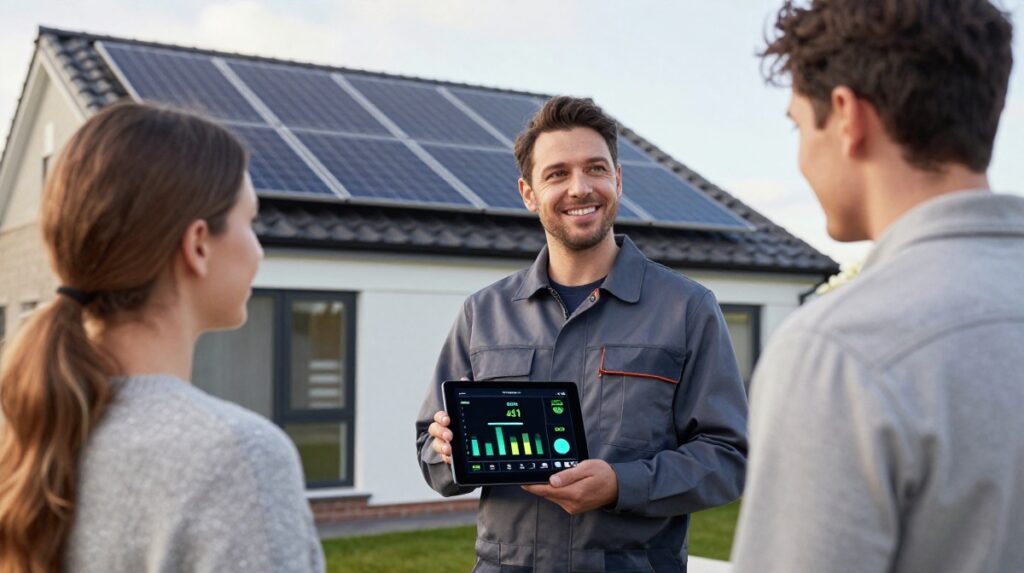
- Connecting the system to your consumer unit (fuse box) and setting up any monitoring apps so you can see your generation in real-time.
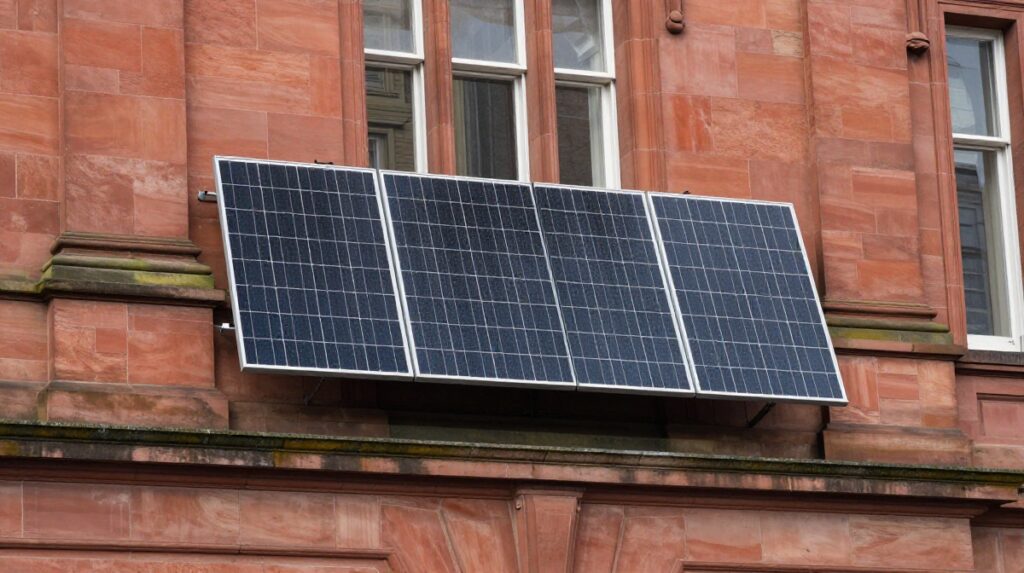
Most Glasgow properties, especially those built in the last century, are perfectly suited for solar. Even if you live in a conservation area or a listed building, there are often ways to make solar work, though you might need to have a chat with the local planning department first. For most standard residential homes, solar panels are considered “permitted development,” meaning you do not need full planning permission to get started.
Making sense of the grants and loans available in Scotland
One of the best things about living in Scotland is the support available for green energy. The Scottish Government is very keen on hitting net-zero targets, and as a result, there are often financial incentives managed through Home Energy Scotland. These can include interest-free loans or, in some cases, grants that can significantly lower the barrier to entry for homeowners. It is always worth checking the current status of these schemes before you sign any contracts, as they can change periodically depending on government funding levels.
Beyond the government schemes, you should also look into the Smart Export Guarantee (SEG). This is a mandatory scheme where energy suppliers must pay you for the renewable electricity you export back to the grid. While the rates vary between different suppliers, it provides a steady stream of small payments that help contribute to the overall return on your investment. Some of the newer, more tech-focused energy companies offer “agile” tariffs that pay you even more if you export energy during times of high demand, which is another great reason to have a battery system that gives you control over when you send power back.
The long term value and maintenance of your system
Once your solar panels are up and running, there is actually very little you need to do. They are incredibly low-maintenance because they have no moving parts. The rain in Glasgow actually does a fairly good job of keeping the panels clean and free of dust or bird droppings. It is generally recommended to have a professional check the electrical components every few years, but other than that, you can mostly just leave them to do their job. Most panels come with a performance warranty of 25 years or more, which gives you a lot of peace of mind regarding the longevity of your purchase.
As we move towards a future where gas boilers are phased out and electric vehicles become the norm, having a robust solar array on your roof will only become more valuable. It increases the EPC rating of your home, which can be a significant selling point if you ever decide to move. Buyers are increasingly looking for homes that are future-proofed and have lower running costs. By choosing to install solar now, you are not just saving money today; you are adding tangible value to your property for the years to come.

A seasoned columnist who explores the intersection of media, memory, and everyday culture. Isla is known for essays that blend current events with personal narratives and literary reflections.